Across the globe, governments and investors are facing a growing contradiction.
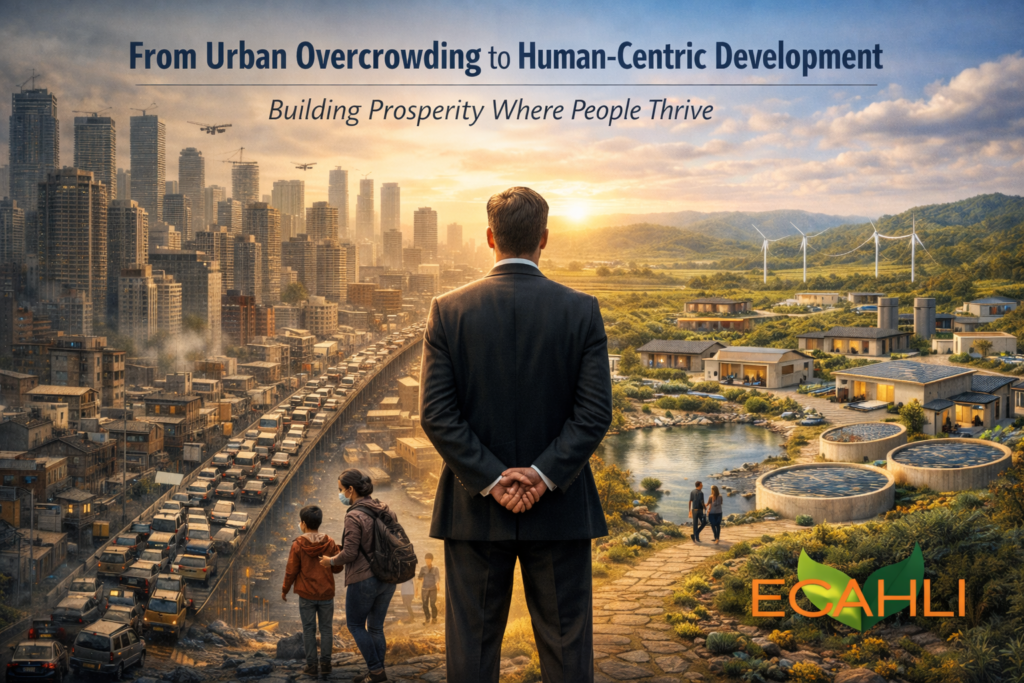
Cities are overcrowded, overstretched, and increasingly expensive to maintain — while vast rural regions and smaller towns are emptying out, underutilised, and economically stagnant.
More than 56% of the world’s population now lives in urban areas, a figure projected to rise to nearly 70% by 2050. Infrastructure systems — housing, transport, healthcare, utilities, and social services — were never designed to absorb this level of concentrated growth.
At the same time, many countries are experiencing depopulation outside their major cities. Entire regions are losing working-age populations, talent, and long-term economic viability.
This is not a coincidence.
It is the direct result of how development has been designed for decades.
Urban overcrowding is often treated as a housing problem.
Rural decline is treated as a demographic problem.
In reality, both stem from the same root cause:
Opportunity has been centralised instead of distributed.
When work, innovation, education, and capital are concentrated in a few urban hubs, people have no choice but to follow — even when cities can no longer support them with dignity or stability.
The consequence is predictable:
What is missing is not funding.
It is a different development model.
My work focuses on designing and implementing human-centric development systems — frameworks that rebalance population, industry, and opportunity in a way that strengthens national resilience rather than weakening it.
Instead of asking, “How do we expand cities further?”
We ask, “How do we build places where people can genuinely thrive?”
This approach is built on a few fundamental principles:
I work with governments, institutions, and investors to:
This is not relocation for its own sake.
It is structured regeneration — aligning people, infrastructure, and industry into systems that produce measurable outcomes.
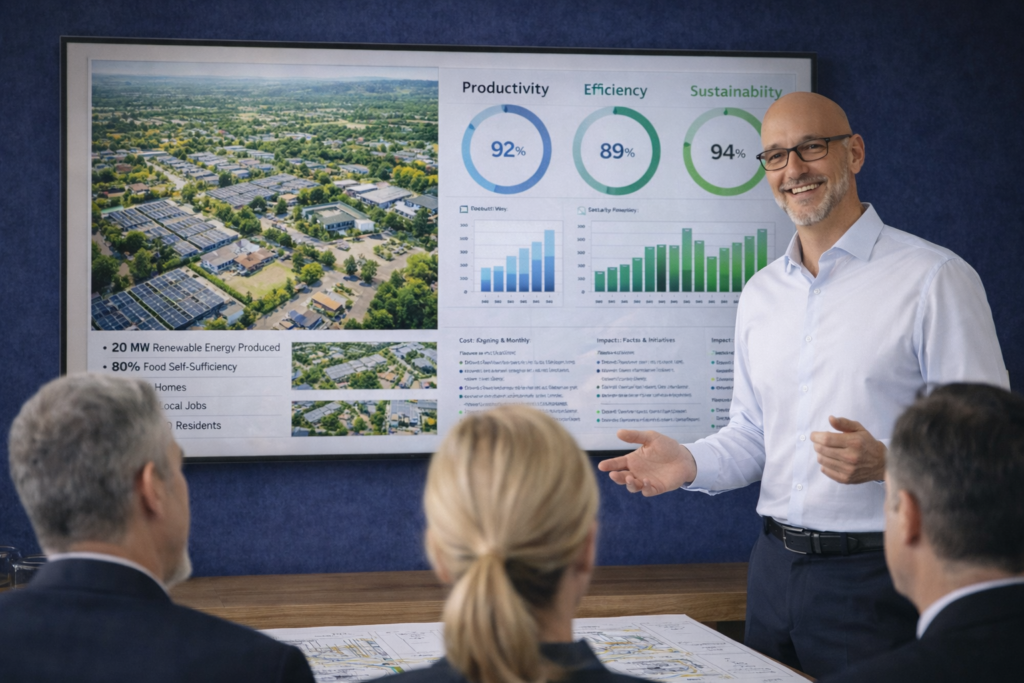
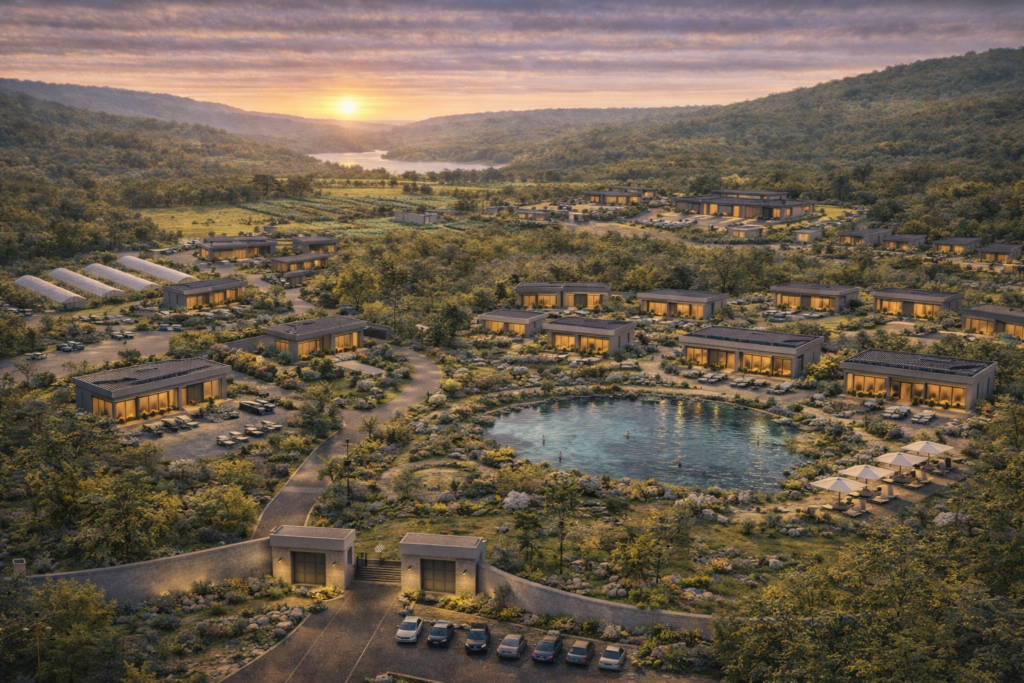
This philosophy is executed through ECAHLI — a scalable development framework designed to transform underutilised regions into productive, dignified, and economically resilient communities.
ECAHLI integrates:
Rather than treating people as beneficiaries, ECAHLI positions them as contributors, builders, and stakeholders.
This shift is critical.
When people have ownership, purpose, and the ability to create value, dependency declines — and resilience increases.
Countries such as Italy, Portugal, Uruguay, and many others face a similar strategic challenge:
Human-centric, decentralised development offers a way to:
For governments, this means greater national stability.
For investors, it means long-term, real-economy value creation.
The future will not be built by expanding what is already failing.
It will be built by leaders willing to:
This is not ideology.
It is pragmatic, strategic, and increasingly unavoidable.
If you are a policymaker, institutional partner, or long-term investor seeking solutions to:
Then this is not a theoretical discussion — it is a strategic necessity.
To learn more about my work and development approach, visit:
👉 https://petrusvdmerwe.com/
The nations that thrive in the coming decades will not be those that build bigger cities —
but those that build better systems for people