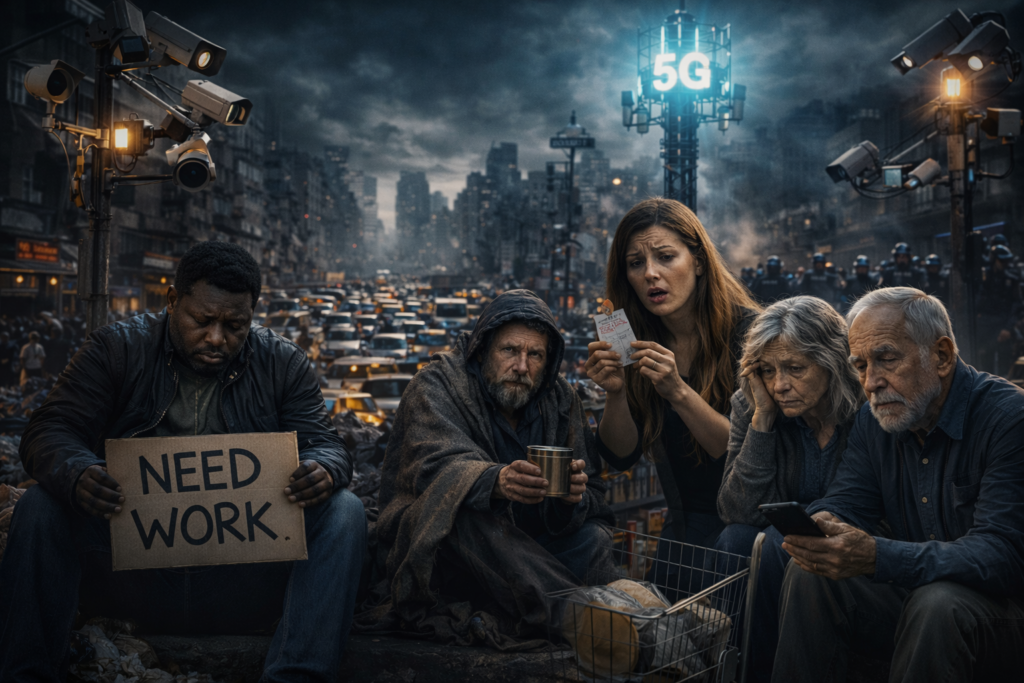
The world isn’t facing one crisis—it’s facing all of them at once.
In 2026, we’re navigating what experts call a “polycrisis”: interlocking wars, economic instability, climate disasters, and humanitarian emergencies that don’t just coexist—they amplify each other. Trade wars drive up food prices. Debt crushes climate adaptation. Conflict displaces millions into regions already straining under their own burdens.
Traditional aid isn’t working. Band-aid solutions can’t heal systemic wounds.
What if the answer isn’t at the top, but at the grassroots?
The numbers tell a sobering story:
This isn’t pessimism—it’s the reality millions face daily.
While global institutions debate policy, something radical is happening in rural Paraguay.
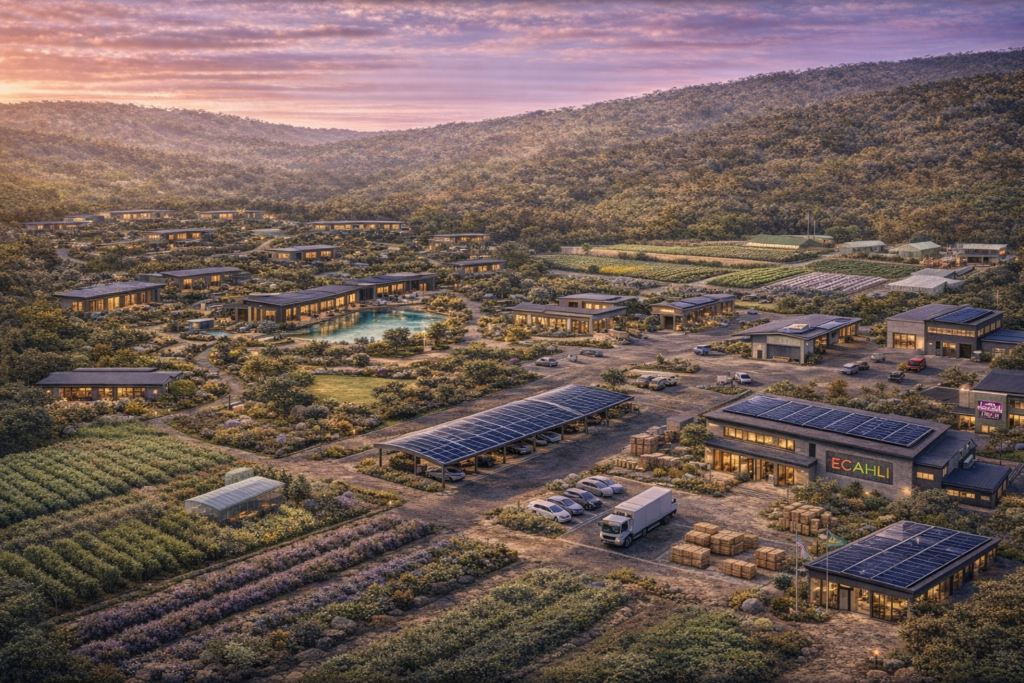
ECAHLI (Eco-Community Alternative Housing and Lifestyle Initiative) isn’t another charity or aid program. It’s a blueprint for self-sustaining communities that address polycrisis root causes simultaneously.
Picture this: Off-grid villages where residents build their own prosperity through:
The difference? Every element tackles multiple crisis points at once.
| Global Challenge | ECAHLI Solution |
|---|---|
| Economic Debt & Unemployment | Profit-sharing businesses & comprehensive skills training |
| Food Insecurity | Local hydroponics/aeroponics for year-round abundance |
| Climate Vulnerability | Off-grid green infrastructure & climate-resilient design |
| Social Unrest & Migration | Community-based prosperity reducing rural exodus |
Underdeveloped Latin American regions mirror the global polycrisis in microcosm—rural poverty, underemployment, climate threats, and limited opportunity driving mass migration.
But they also offer something crucial: proof of concept potential.
ECAHLI’s inaugural community launches in Paraguay with a bold commitment: the 90-Day Latin America Cross-Continent Challenge. This intensive push aims to prototype, fund, and deploy Phase 1, demonstrating that this model can work anywhere.
The design is deliberately modular and industry-agnostic. What works in Paraguay can scale to Bolivia, Honduras, or anywhere rural communities need revitalization.
Here’s what makes ECAHLI different from traditional development:
It creates networks, not isolated projects. As one community thrives, it connects to neighbors, sharing knowledge, resources, and economic opportunity. The impact multiplies organically.
It’s universally adaptable. The same framework that works in Latin American villages can deploy in African hinterlands or Asian rural areas—anywhere communities need self-sufficiency.
It attacks root causes. By building local food security, economic independence, and climate resilience simultaneously, ECAHLI doesn’t just treat symptoms—it removes the conditions that create crisis vulnerability.
This isn’t speculative. ECAHLI’s 2026 developments show Paraguay groundwork accelerating. The infrastructure is taking shape. The training programs are launching. The first residents are preparing to build their futures.
The question isn’t whether it can work—it’s how fast we can scale it.
The polycrisis won’t solve itself. Top-down approaches have had decades to work.
What if the solution is empowering communities to build their own resilience from the ground up?
ECAHLI represents a fundamental shift: from aid dependency to self-sufficiency, from crisis management to crisis prevention, from isolated interventions to integrated solutions.
The 90-Day Challenge is underway. The blueprint is proven. The need is urgent.
Are you ready to be part of rewriting what’s possible?
Connect with ECAHLI: 🌐 ecahli.com 💼 Follow our progress and get involved
Whether you’re an investor seeking impact, a development professional looking for scalable solutions, or simply someone who believes we can do better—let’s talk.
#ECAHLI #SustainableDevelopment #Polycrisis #LatinAmerica #EcoCommunities #RuralDevelopment #ClimateResilience #SocialImpact #Innovation